
Is Your Attic Cooking Your Shingles? A Homeowner’s Guide to Ventilation and Heat in Middle Georgia
If your upstairs feels like an oven every summer—or you’re seeing shingles wear out faster than expected—your attic may be part of the problem. In Middle Georgia, heat and humidity can quietly shorten a roof’s life from the inside out, even when the outside looks fine from the street. This guide explains how attic ventilation really works, warning signs to watch for, and what you can do to protect both your roof and your energy bills.
Why Middle Georgia Heat Is So Hard on Roofs
Our region combines long, hot summers with high humidity and plenty of sunny days. When that heat gets trapped in an attic, it can reach temperatures far above the outdoor air, especially in homes with dark shingles and limited airflow.
Here’s what that does to your roof:
- It dries out the oils in asphalt shingles, making them brittle and more likely to crack or curl.
- It bakes shingles from both sides—sun from above and attic heat from below—so a “30‑year” roof can age much faster in reality.
- It pushes your AC system to work harder, driving up power bills and still leaving upstairs rooms uncomfortable.
In neighborhoods with heavy tree cover, like parts of Warner Robins, Macon, and Perry, humidity and shade can add moisture to the mix, making ventilation even more important.
How a Healthy Attic Ventilation System Works
A healthy roof system is designed to let your home breathe. Good ventilation is not just about adding more vents; it’s about balance.
Intake and exhaust: the basic idea
A properly vented attic uses:
- Intake vents – usually at the eaves or soffits, where cooler outside air can enter.
- Exhaust vents – often at the ridge or near the top of the roof, where hot air can escape.
Warm air naturally rises. When intake and exhaust vents are balanced, fresh air comes in low and pushes hot, moist air out high, keeping attic temperatures and humidity closer to safe levels.
Common setups on Middle Georgia roofs
Most homes in our area rely on one or a combination of:
- Continuous soffit vents plus a ridge vent along the peak.
- Soffit vents paired with roof louvers or gable vents.
- Older homes that may only have gable vents and little to no soffit ventilation.
Each setup has pros and cons, but the key is balance: plenty of intake, enough exhaust, and no blocked pathways.
Signs Your Attic Is Overheating Your Roof
You don’t have to be a roofing expert to spot red flags. Many homeowners notice the symptoms inside the house first.
Shingle and exterior warning signs
From the outside, watch for:
- Shingles that are curling, cupping, or blistering earlier than expected.
- Premature granule loss and bald spots, especially on south‑ and west‑facing slopes.
- Shingle surfaces that look dried out or cracked even though the roof isn’t that old.
These can all be signs that heat and poor ventilation are aging your roof faster than normal.
Indoor comfort and energy clues
Inside the home, ventilation problems often show up as:
- Hot upstairs rooms that stay uncomfortable even when the AC runs constantly.
- Noticeably higher summer power bills compared to similar homes in your area.
- Musty smells or stuffiness in the top floor or hallway near the attic hatch.
If those issues line up with visible shingle wear, it’s worth taking a closer look at the attic.
What You Can Safely Check in Your Attic
A careful look inside your attic can reveal a lot about how well your roof and ventilation are working.
On a dry day, with a good flashlight and solid footing, you can:
- Look at the underside of the roof deck for dark stains, streaks, or damp spots.
- Check rafters and insulation for mold, mildew, or a damp, musty smell.
- See whether soffit vents are blocked by insulation pushed all the way into the eaves.
- Feel the air: if it’s extremely hot and stagnant even on a mild day, that’s a clue.
If you’re uncomfortable navigating the attic or see anything that looks serious, it’s best to step back and have a professional perform a full inspection.
Ventilation Options for Existing Middle Georgia Homes
The right solution depends on your roof design, age, and current vent setup, but there are several ways to improve attic airflow.
Improving intake
- Clear blocked soffit vents by gently pulling insulation back from the eaves or adding baffles to keep insulation from covering vents.
- Add additional soffit vents if there are long sections of eave with no visible openings.
Good intake is essential; without it, exhaust vents can’t work properly.
Improving exhaust
Depending on your roof, a contractor may recommend:
- Upgrading or adding a ridge vent along the peak.
- Adding or optimizing roof louvers or gable vents, making sure different systems don’t fight each other.
- In some cases, using powered or solar attic fans, but only when properly balanced with intake so they don’t pull conditioned air out of the home.
The goal is steady, passive airflow—not just more holes in the roof.
Ventilation Upgrades During Roof Replacement
The best time to fix ventilation is when you’re already replacing the roof. The deck is exposed, old vents can be removed, and new systems can be installed correctly from the start.
During a replacement, your roofing contractor can:
- Confirm whether current ventilation meets Georgia code and manufacturer requirements.
- Add or enlarge soffit vents and install continuous ridge vents as needed.
- Correct older or mixed systems that are no longer effective, such as combining multiple vent types that can interfere with each other.
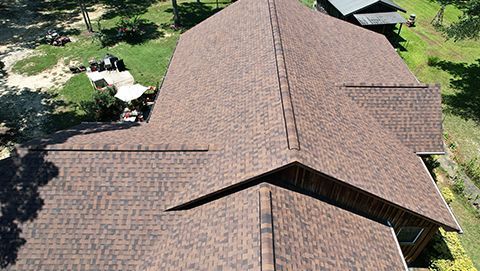
Making these upgrades while the roof is already open is usually more cost‑effective than trying to retrofit everything later.
How Better Ventilation Helps Energy Bills and Roof Life
Proper attic ventilation isn’t just a technical detail—it has real benefits you can feel and measure.
With a well‑ventilated attic, you can expect:
- Lower attic temperatures, which reduce stress on shingles and underlayment.
- More even indoor temperatures, especially on upper floors.
- Less strain on your HVAC system, which can lead to lower summer utility bills and longer equipment life.
- Reduced risk of condensation, mold, and wood rot in the attic, which protects both your roof structure and indoor air quality.
Over time, these benefits add up to a roof that lasts closer to its intended lifespan and a home that’s more comfortable year‑round.
When to Call a Local Roofing Expert
Some ventilation tweaks are minor; others require careful design and professional installation. It’s a good idea to bring in a roofing expert if:
- Your roof is showing premature wear, even though it’s not that old.
- The attic feels extremely hot or damp, and you see stains or mold on the decking.
- You’re planning a roof replacement soon and want to make sure the new roof lasts as long as possible.
A good local roofer will:
- Inspect both the roof exterior and the attic interior.
- Show you photos of current conditions and explain what’s happening in plain language.
- Recommend specific intake and exhaust improvements tailored to your home, not a one‑size‑fits‑all solution.
In Middle Georgia’s climate, getting ventilation right is one of the smartest ways to protect your roof investment.
Keep Your Roof Cooler, Stronger, and Longer-Lasting
In Middle Georgia, your roof doesn’t just face the elements from above—it’s also affected by what’s happening inside your attic. Excess heat and trapped moisture can quietly shorten the life of your shingles, raise your energy bills, and make your home less comfortable long before obvious damage appears. That’s why proper attic ventilation isn’t just a bonus—it’s a key part of protecting your entire roofing system.
Taking the time to check your attic, improve airflow, and address warning signs early can make a significant difference in how your roof performs year after year. And when the situation goes beyond a simple fix, working with a trusted local professional ensures the job is done right. For a thorough attic and roof evaluation,
contact Platinum Roofing and get expert guidance tailored to Middle Georgia homes.
