
Storm Preparation Checklist for Warner Robins and Houston County Homeowners
Houston County sits in a corridor that regularly sees strong thunderstorm cells tracking along I‑75 and across Robins Air Force Base. These systems bring high winds, sideways rain, and hail that can bruise shingles in places like Blue Ridge, Country Walk, and Vinings Place, rip off tabs in older sections of Warner Robins, and drive water under flashing in Perry and Centerville.
The local climate adds long-term stress before storms even arrive. High humidity around Lake Joy and tree‑covered streets in neighborhoods like Shagri‑La West and Meadow View keep roofs damp and loaded with pine straw, while intense UV exposure dries out shingles on newer subdivisions in Bonaire and Kathleen, making them more brittle when the first big storm hits.
Step 1 – Inspect Your Roof Safely from the Ground
You do not need to climb on your roof to catch early warning signs of damage in Warner Robins or Bonaire. A slow walk around your home with binoculars is usually enough.
Signs of wind damage Houston County homeowners should spot
Around your home in neighborhoods like Hillcrest Heights or Country Walk, look for:
- Shingles that are lifted, curled, or flapping at the edges.
- Tabs missing entirely, leaving dark patches of exposed underlayment.
- Creased shingles along ridges and edges, especially on sides that take the brunt of west or south winds.
These areas are most likely to tear off completely when the next Houston County thunderstorm or tornado‑warned cell moves through.
Hail bruises, missing granules, and lifted shingles
After a hail event that hits areas like Bonaire, Kathleen, or Centerville:
- Look for random dark “pockmarks” where granules are missing.
- Check for soft, cracked, or shiny shingle spots when sunlight hits the roof.
- Check gutters and downspouts for heavier‑than‑normal granule piles.
Any of these can indicate functional hail damage on Warner Robins–area roofs that may support an insurance claim if documented correctly.
Step 2 – Clear Gutters, Valleys, and Downspouts
Your roof in Houston County can only move water away quickly if gutters and valleys are clear. Pine straw from mature trees along streets like Tanglewood Drive, Carterwoods, and older sections near Watson Boulevard is a major problem.
The pine straw and debris problem in Houston County
Debris tends to build up:
- In roof valleys on homes in shaded subdivisions like Meadow View and Shagri‑La West.
- Behind chimneys and dormers common in Blue Ridge and Cottages at Blue Ridge.
- In long gutter runs along tree‑lined streets in older Warner Robins neighborhoods.
This debris traps moisture, accelerates rot in decking and fascia, and forces water under shingles, which shows up as leaks during big storms.
Preventing overflow that leads to fascia and soffit rot
Before peak storm season in Warner Robins:
- Clean gutters and downspouts thoroughly on homes in Bonaire, Kathleen, and Centerville.
- Flush downspouts with a hose to confirm they drain freely, especially on sloped lots like Chambers Creek Circle.
- Add extensions where water currently dumps right at the foundation.
If you fight constant pine needles in places like Lake Joy and wooded parts of Kathleen, consider gutter guards designed for pine straw, not just broadleaf debris.
Step 3 – Secure Vulnerable Roof Features
Most storm leaks in Warner Robins start around details—chimneys near Mary Lane, skylights in custom homes, and vent stacks throughout Houston County subdivisions.
Checking flashing around chimneys, skylights, and vents
From the ground or a stable ladder (no climbing onto the roof):
- Look for bent, rusted, or separated metal flashing around chimneys and skylights.
- Check for cracked or missing sealant around vents.
- Make sure skylight glass and frames look intact, with no soft or spongy spots around them.
These weak points are common in older neighborhoods like Briarcliff Road and Alabama Ave, where original flashing may now be near the end of its life.
Why loose ridge caps and pipe boots fail in high winds
Across Houston County roofs, ridge caps and vent boots take the full brunt of storm winds:
- Look for misaligned, lifted, or cracked ridge caps along roof peaks.
- Check plumbing vent boots for torn rubber or gaps where the pipe meets the boot.
Once these details weaken, they often fail first in a Warner Robins thunderstorm and cause leaks that spread across ceilings below.
Step 4 – Protect Your Attic from Water and Heat
A healthy Warner Robins roof includes a dry, well‑ventilated attic. Spring and summer storms expose hidden problems here.
Ventilation issues that show up during Houston County storms
In subdivisions across Bonaire, Kathleen, and Centerville, inadequate attic ventilation means:
- Heat builds up under the roof deck, “cooking” shingles from below and dramatically reducing their lifespan.
- Warm, moist air condenses on cooler surfaces during temperature swings, creating staining and mold that looks like a roof leak.
Both issues make shingles more brittle and more likely to crack under hail or wind gusts that are common south of Robins AFB.
What to look for in your attic before storm season
On a dry day, with a flashlight:
- Check for dark water stains or active damp spots on the underside of the decking.
- Look for mold or mildew on rafters or on insulation in older Warner Robins and Perry homes.
- Make sure insulation isn’t blocking soffit vents along eaves.
If you see any of these signs, scheduling a local attic and roof inspection with a Houston County roofer who understands our climate is the safest next step.
Step 5 – Create a Roof Emergency Plan for Houston County Storms
Storm prep here is not just about prevention; it’s about knowing exactly what to do when Houston County sirens go off.
When to call for emergency tarping vs. next-day repair
You should call for emergency tarping in Warner Robins, Bonaire, or Perry when:
- Water is actively dripping inside rooms or the attic.
- You can see missing shingles or exposed wood from the ground.
- Ceiling drywall is bulging, sagging, or rapidly staining after a storm.
If damage looks minor and there are no active leaks, document everything and schedule a next‑day inspection instead.
How to document damage for faster Houston County insurance claims
Right after a storm that hits your neighborhood:
- Take wide photos of all sides of the home, including the roof over garages and additions common in Country Walk, Harley Farms South, and Magnolia Flats.
- Get close‑ups of missing shingles, dented gutters, downspouts, and damaged soft metals or AC units.
- Note the date, time, and neighborhood (e.g., “Blue Ridge, Warner Robins”) for every photo set.
This documentation helps both your roofer and your adjuster confirm the impact on your specific Houston County location and can speed up claim decisions.
Houston County Storm Prep Timeline (March–June)
Think of storm prep in Warner Robins as an annual routine, similar to servicing your HVAC system.
What to do 30 days before peak storm season
In late February or early March:
- Clean gutters, downspouts, and roof valleys throughout your Warner Robins or Bonaire property.
- Book a professional roof inspection if your neighborhood (for example, Blue Ridge or Country Walk) was built in the early–mid 2000s and is now hitting roof replacement age.
- Trim overhanging branches where it’s safe and permitted, especially in older, tree‑heavy areas like Shagri‑La West and Tanglewood Drive.
This timing gives you space to fix small issues before April–May systems arrive.
What to do immediately after a major Houston County storm
After a strong line of storms:
- Walk your yard and driveway, looking for torn shingles or metal pieces.
- Use binoculars to check roof slopes over garages, porches, and additions.
- Inspect ceilings and your attic for new stains or damp spots.
- If you’re in a neighborhood identified in recent hail or tornado tracks (for example, Smoke Rise or Hatcher Estates), consider an inspection even if you don’t see obvious problems.
Early detection is key to keeping minor roof issues from turning into full‑room repairs.
When to Call a Warner Robins Roofing Expert Instead of DIY
There’s a line between sensible homeowner maintenance and risky work that belongs in a professional’s hands.
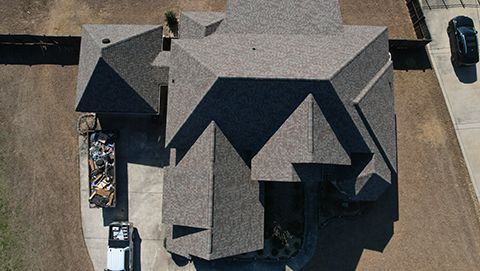
Red-flag damage that requires a professional inspection
Call a local roofer right away if you notice:
- Bare wood or black underlayment visible from the street.
- Large limbs or debris hitting the roof in places like Northsky Drive or along lakefront properties.
- Recurring leaks in the same area despite interior patching.
These often indicate structural or system problems, not just surface cosmetic issues.
How Platinum Roofing handles storm inspections in Warner Robins and Houston County
A trusted local roofer should:
- Perform a thorough roof and attic inspection, not just a quick ladder look.
- Show photo evidence from your actual roof in Warner Robins, Bonaire, or Kathleen.
- Explain repair vs. replacement options with clear pricing and, when appropriate, help you understand how your storm damage may fit Georgia insurance guidelines and local matching standards.
By following this Warner Robins–specific storm preparation checklist each spring, you’ll reduce surprise leaks, extend the life of your roof, and be in a much stronger position if you ever need to file a roof claim in Houston County.
Be Ready Before the Next Storm Hits
Storm season in Warner Robins and across Houston County isn’t something to take lightly. With high winds, heavy rain, and hail all putting pressure on your roof, small issues can quickly turn into major damage if they’re left unchecked. Staying ahead with routine inspections, proper drainage, and attention to vulnerable areas helps protect your home and avoids costly surprises when severe weather rolls through.
When you’re unsure about your roof’s condition, bringing in a trusted local professional can save time, money, and stress. Platinum Roofing provides thorough inspections, clear documentation, and honest guidance so you can make the right decision for your home. For peace of mind before the next storm,
contact Platinum Roofing
for a professional inspection and expert support.
