
Storm Season Roof Prep for Macon and Bibb County Homeowners
Macon’s position along the Fall Line means it regularly catches strong storm systems rolling up from South Georgia and across I‑75. These storms bring high winds, hail, and torrential rain that hit everything from historic properties in Cherokee Heights to newer homes near the Bass Road corridor.
Add in Bibb County realities—towering trees in Shirley Hills, older roof systems in Pleasant Hill and Tindall Heights, and intense summer sun across open neighborhoods in North Macon—and you have roofs that are already stressed before the first big cell shows up on radar.
Take a Ground-Level Look at Your Roof
You don’t need to climb onto a steep roof in Vineville or College Hill to catch early warning signs. A slow walk around your home with binoculars is usually enough.
Watch for:
- Shingles that look curled, lifted, or out of alignment.
- Random dark patches where shingle tabs are missing.
- Edges and ridges that look rough or uneven instead of straight.
In tree‑covered areas like Shirley Hills or Pleasant Hill, pay close attention to slopes under large oaks and pines—those areas tend to age faster and are more vulnerable when storms hit.
After hail, scan for:
- Small, scattered spots where granules are missing.
- Soft or cracked areas on shingles that catch the light differently.
- Extra granules piling up in gutters and at downspout exits.
Subtle bruising like this is often what leads to leaks months down the road if it’s not caught and documented.
Clean Out Gutters and Roof Valleys
Macon’s older neighborhoods and historic districts are full of mature trees—and that means clogged gutters if you’re not proactive.
In areas like:
- Vineville and Shirley Hills (heavy tree canopy).
- InTown and College Hill (mix of historic homes and big shade trees).
- Around Tattnall Square and older streets near downtown.
…leaves and pine needles tend to collect in roof valleys and long gutter runs.
Before storm season:
- Clear gutters fully and run water through downspouts to confirm flow.
- Remove debris from visible valleys and from behind chimneys and dormers.
- Make sure downspouts discharge away from the foundation, not right at the base of brick walls.
If your home is surrounded by trees (common in Shirley Hills and Napier Heights), consider upgrading to a gutter guard system that actually handles pine needles, not just broad leaves.
Check Your Roof’s “Problem Areas”
On Macon homes, leaks rarely start in the middle of a flat shingle field. They almost always begin where materials intersect.
Focus on:
- Chimneys on older homes in Vineville, Cherokee Heights, and the Intown district.
- Skylights and roof transitions on renovated properties and loft conversions downtown.
- Plumbing vents and ridge lines on newer construction in North Macon.
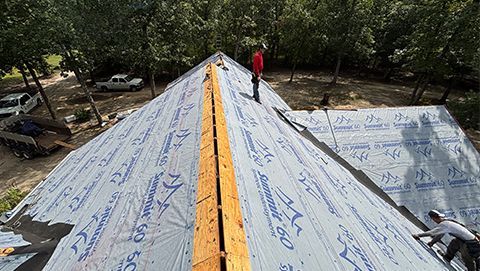
From the ground or a sturdy ladder (do not walk steep historic roofs):
- Look for flashing that has rust, gaps, or is pulling away.
- Check for cracked sealant around penetrations.
- Note any ridge caps that appear shifted, cracked, or out of alignment.
Historic and older structures need particular care here: flashing that was “good enough” decades ago often cannot handle today’s intense storm events.
Inspect the Attic, Not Just the Shingles
In many Macon houses—especially older homes near downtown and in historic areas—the attic tells you more about roof health than the exterior does.
On a dry day:
- Look at the underside of the roof decking for dark rings, streaks, or active damp spots.
- Check rafters and insulation for signs of mold or mildew.
- Make sure soffit vents aren’t packed with insulation, which blocks airflow.
In 100‑year‑old homes, poor ventilation and old insulation can trap heat and moisture, “cooking” shingles from below and making them more likely to fail when hail or wind hits. Addressing ventilation and airflow before storm season can extend roof life and reduce surprises.
Have a Simple Plan for When Storms Hit
Storms that impact Macon can move fast. Knowing what you’ll do ahead of time removes a lot of stress.
Your personal roof plan should cover:
- Who you’ll call first for an inspection if your street takes a direct hit.
- Where you’ll store photos and videos of your roof and property “before” a storm.
- Which interior rooms are most likely to show water stains if a leak starts (for example, under valleys or around chimneys).
If you ever see:
- Active dripping inside the home.
- Ceiling areas that are bulging or suddenly stained.
- Visible sections of roof where shingles are missing or wood is exposed.
…that’s the time to request emergency protection (like professional tarping) rather than waiting days to see if it gets worse.
Document Storms That Hit Your Street
If a severe cell moves across areas like:
- Vineville, InTown, and Bealls Hill.
- East Macon and the Ocmulgee Mounds area.
- Neighborhoods around Mercer University or Wesleyan College.
…take a few minutes as soon as it’s safe to step outside:
- Capture wide photos of every side of the house and roof.
- Take close‑ups of any visible shingle loss, damaged trim, dented gutters, or marked AC units.
- Note the date, approximate time, and your neighborhood for each set of photos.
If your roof later shows problems and an insurance claim becomes necessary, this “after the storm” documentation can be valuable support.
Know When to Call a Macon Roofing Specialist
While many issues can be spotted from the ground, some situations call for a professional inspection—especially when dealing with older, steep, or complex roof systems. If your home has recently been exposed to strong winds or hail, or you’re noticing warning signs like recurring ceiling stains, it’s best not to rely on guesswork. A trained roofing specialist can properly assess both the exterior and attic, identify the root cause, and document everything clearly so you know exactly what you’re dealing with.
Working with a trusted local contractor like
Platinum Roofing ensures you receive honest guidance and the right solution the first time. Whether the issue is storm damage, normal aging, or a ventilation or flashing problem, addressing it early helps prevent costly repairs and keeps your home protected when the next storm rolls through. If you’re unsure about your roof’s condition,
contact Platinum Roofing for a professional inspection and expert advice.
