
What to Do After Storm Damage to Your Roof in Kathleen, GA
Table Of Contents
Key Takeaways
- Check for hazards before you look at your roof yourself
- Take photos and notes right away for your insurance claim
- Missing shingles, dented vents, and granule loss are common signs of damage
- Not every storm means you need a full roof replacement
- We start every storm visit with a full assessment before we recommend anything
- We handle storm repair and emergency service all through Kathleen, GA, and Middle Georgia.
Introduction
If a storm has damaged your roof in Kathleen, GA, knowing what to check first and when to call a professional can save you time, money, and unnecessary stress. Platinum Roofing provides storm damage assessments and emergency roof repair throughout Kathleen, GA and the surrounding Middle Georgia area, backed by over 50 years of combined team experience.
Whenever you're ready, call us at
478-401-9601
or
reach out to us to set up a free estimate. In the meantime, here's what to check, document, and expect if your roof has taken storm damage.
What Should You Check for Your Safety First?
Most homeowners want to inspect the damage right away, before checking whether it is even safe to do so. Downed power lines, standing water, or a roof that looks like it is sagging are all reasons to stay back and call for help right away. Storms can weaken more than just your shingles, so a roof that looks bad from the ground could be worse than it seems.
The safer approach is to check things from a distance first. Stay off the roof, even if the damage looks small. Wet or damaged shingles can shift under your feet, and a fall is not worth it when you can check things just as well from the ground with a phone camera or binoculars. Once you know it is safe to look closer, it is time to start writing things down.
How Do You Document Storm Damage Properly?
Without documentation, it becomes much harder to prove what happened and when, especially once repairs begin and the original damage is no longer visible. While the damage is still fresh, take photos and video from every angle you can safely get. Walk around your home and grab wide shots of the whole roof, plus close ups of anything that looks off. Write down the date and time the storm hit, since insurance companies almost always ask for this later.
Good photos and notes now make the insurance process a lot easier later, whether you end up needing a small repair or a full replacement. We help with this kind of thing on every storm assessment we do, and we will help you put together exactly what an insurance adjuster wants to see. Once you have your documentation, it is time to look for the specific signs of damage.
What Are the Common Signs of Storm Damage on a Roof?
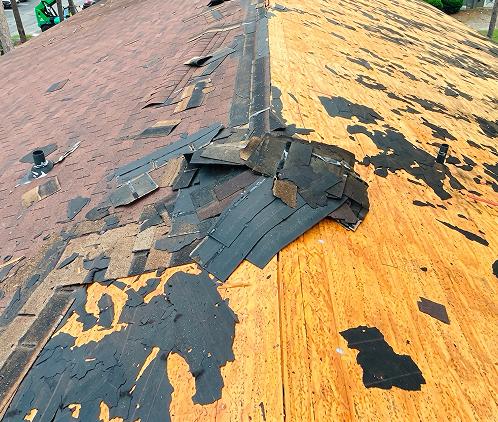
A lot of storm damage does not look dramatic from a distance, so it gets missed. From the ground, look for shingles that are missing, curled up, or lifted at the edges. Sometimes granules from asphalt shingles end up in your gutters or on the ground after a storm, and that is a sign your shingles took a hit even if they are still in place. Dented vents, bent flashing, or debris stuck on the roofline are also worth a second look.
Not all damage shows up right away either. A small puncture or a loose seam can take weeks to turn into a leak inside your house, which is part of why a closer look matters even when things seem okay from the street. Our crews have found damage on roofs that looked totally fine at first glance, especially around flashing and vent boots, since that is where storm damage likes to hide. This is why knowing when to call a professional makes such a big difference.
When Should You Call a Professional Roofer?
A ground level check only tells part of what's really going on, and that is where a lot of homeowners stop, either out of caution or because they assume everything is fine. Storm damage likes to hide in spots a homeowner would not think to check, like under ridge caps or behind chimney flashing.
Calling us early does not mean you are stuck paying for a full repair or replacement. It just gets a trained set of eyes on your roof so you know what you are dealing with.
Our roof inspections cover this kind of detailed check, and our team will walk your roof and show you what needs attention and what can wait. Once you know how bad the damage is, the next step for a lot of homeowners is figuring out insurance.
How Do You File an Insurance Claim for Storm Damage?
Insurance paperwork is where a lot of homeowners get stuck, unsure what counts as proof or how the process even works. If your roof has real damage, your homeowners insurance may cover some or all of the repair cost. The photos and notes you took earlier come in handy here, since they help back up your claim and give the adjuster a clear timeline of what happened and when.
We offer
insurance claims assistance to help walk you through this whole process from start to finish. We know the paperwork and the steps involved, and we are glad to help so filing a claim feels a lot less stressful. Once your claim is moving, here is what you can expect when we come out to look at your roof.
What Happens During Our Storm Damage Assessment?
At this point, the biggest question left is what actually happens once we show up. When you call us after a storm, we start by asking a few quick questions about what you have noticed. From there, we set up a visit to walk your roof in person, checking shingles, flashing, vents, and anywhere else storms usually cause trouble. We check both what you can see and what tends to hide, since a real look matters more than a quick glance.
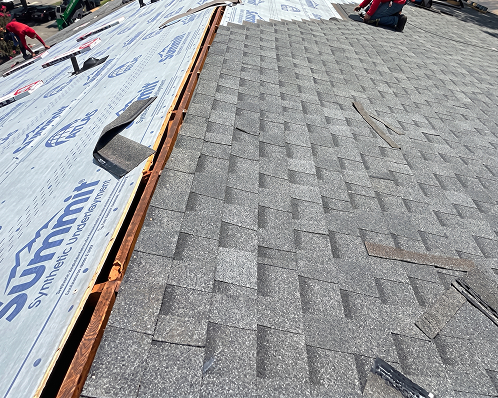
After we are done, we give you a straightforward rundown of what we found. Not every storm means you need a full roof replacement, and we will always tell you when a repair is the right call instead of pushing you toward more than your roof actually needs. If replacement really is the better option, we will explain why and walk you through what our
storm repair and emergency services
can do for your home.
Frequently Asked Questions
Should I go on my roof myself after a storm in Kathleen, GA?
No, we tell our customers to stay off the roof after a storm. Wet or damaged shingles can shift under your feet, and loose granules make things even more slippery than usual. You can spot most damage safely from the ground with a camera or binoculars.
What should I do after storm damage to my roof?
First, check around your home for hazards like downed lines or standing water. Once it is safe, take photos and notes of any damage you see, including the date of the storm. Then set up a professional assessment so we can catch anything you cannot see from the ground.
Does storm damage always mean I need a full roof replacement in Kathleen, GA?
No, a lot of storm damage can be repaired without replacing the whole roof. Missing shingles, small flashing issues, and minor punctures are often fixable on their own. A real assessment is the only way to know for sure which one your roof actually needs.
How soon should you schedule a roof assessment after a storm in Kathleen, GA?
As soon as you can. Some damage, like a small puncture or a lifted shingle, gets worse with every rain if it is left alone. Catching it early usually means a smaller, cheaper fix instead of a bigger headache later.
Do you offer emergency storm assessments for homes in Kathleen, GA?
Yes, we handle storm assessments all through Kathleen, GA and the surrounding Middle Georgia area. We come out, walk the roof in person, and check for both the damage you can see and the kind that hides. 478-401-9601 to set up your free estimate whenever it works best for you.
Your Roof Deserves an Honest Look After Every Storm
Storm damage can feel like a lot, especially when you are not sure what you are looking at or what it means for your home. Our team has spent more than 50 years handling roofs across Middle Georgia, and we bring that same experience to every storm call in Kathleen, GA. We would be glad to come take a look at your roof and tell you where things stand, so
send us a message or call
478-401-9601
whenever it works for you. Set up your free estimate today and get the answers you need to move forward.
